
Every send needs the rules again.
The team repeats segments, offers and claims rules. Writers and AI tools need to know who gets the message and what the client allows.
Flows, segments, brand rules and claims rules travel with the work across every tool. Portable Delivery Intelligence keeps that record current, so each send starts with the client context your team already approved.
Trained on $17M+ in revenue
The cap is not just the number of sends. It is the client context each operator has to carry. Every flow has its own rules and past choices. When those live in 1 head, more clients mean more questions for that person.
The team repeats segments, offers and claims rules. Writers and AI tools need to know who gets the message and what the client allows.
Changes wait on the person who built the flow. Others see the steps but not the reasons. The next operator needs both.
The same fixes come up again. A message has the wrong offer or voice. Checks happen too late because the rules were not part of the brief that started the work.
18 to 25 is the capacity target each install is scoped to. It is not a promise about opens or sales.
Your email platform stays. The shared client file holds the rules around the work. Writers, builders and reviewers read the same brief. Your operator spends less time repeating it.
Who gets each message. Which offer they see. Who stays out. The team reads the same segment rules before it writes or builds the next send.
What each step does and why. What you tried. What changed. The next edit starts with those facts, not a blank chat or an old flow map.
How the client sounds. What you can say with proof. What you cannot say. Those rules stay with the work across the email platform and AI tools.
Who checks the draft. Who checks the flow. What needs the client before a send. Every output gets human review before it reaches the client.
Say a client wants a welcome flow changed. The writer reads the file first. It names the segment, the offer and the claims the client allows. The builder reads the same file to check which steps can change and which must stay.
The reviewer checks the message and flow against that brief. A named person signs off before the send. Save the change and why it happened. The next edit starts there.
Company-reported. These are records of client work and an internal team mapping. They are not email campaign results or a promise of what your agency will earn.
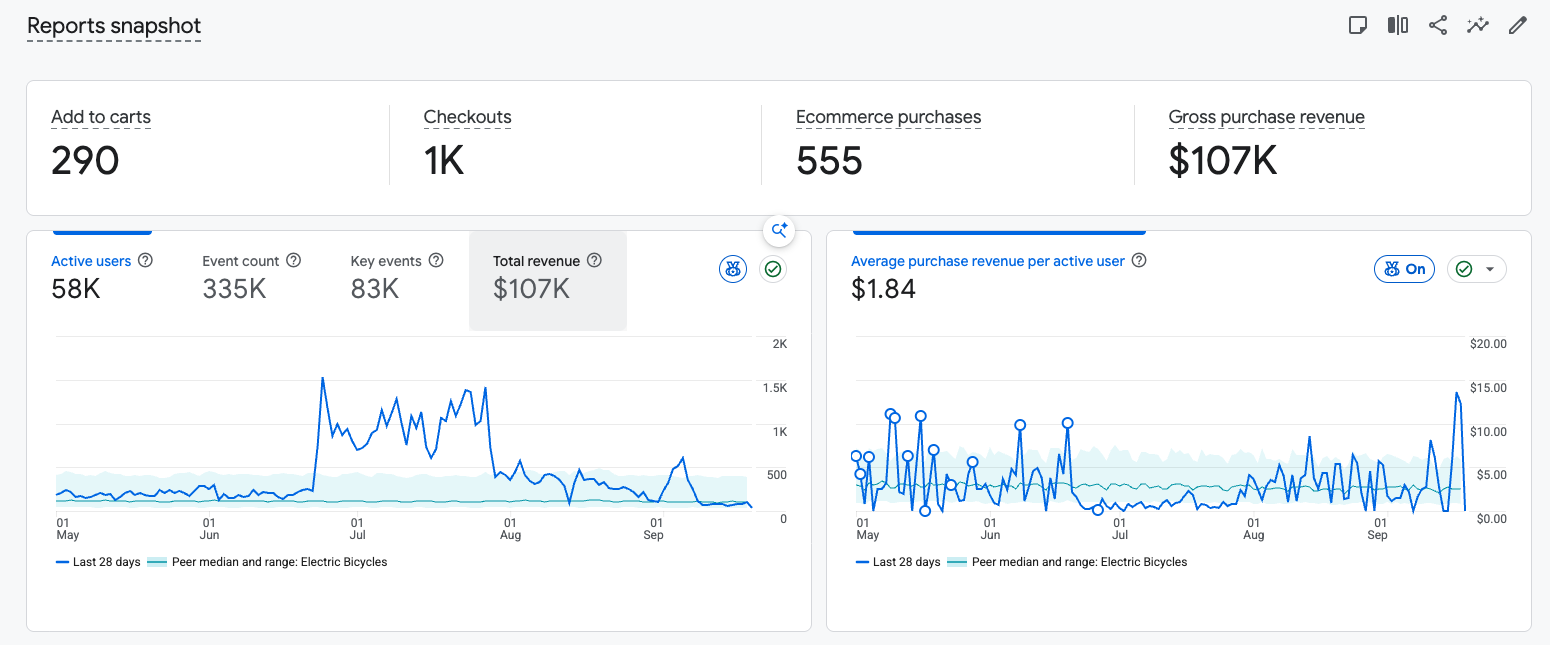
An e-commerce client's own GA4
Client GA4 · 2026 · Company-reported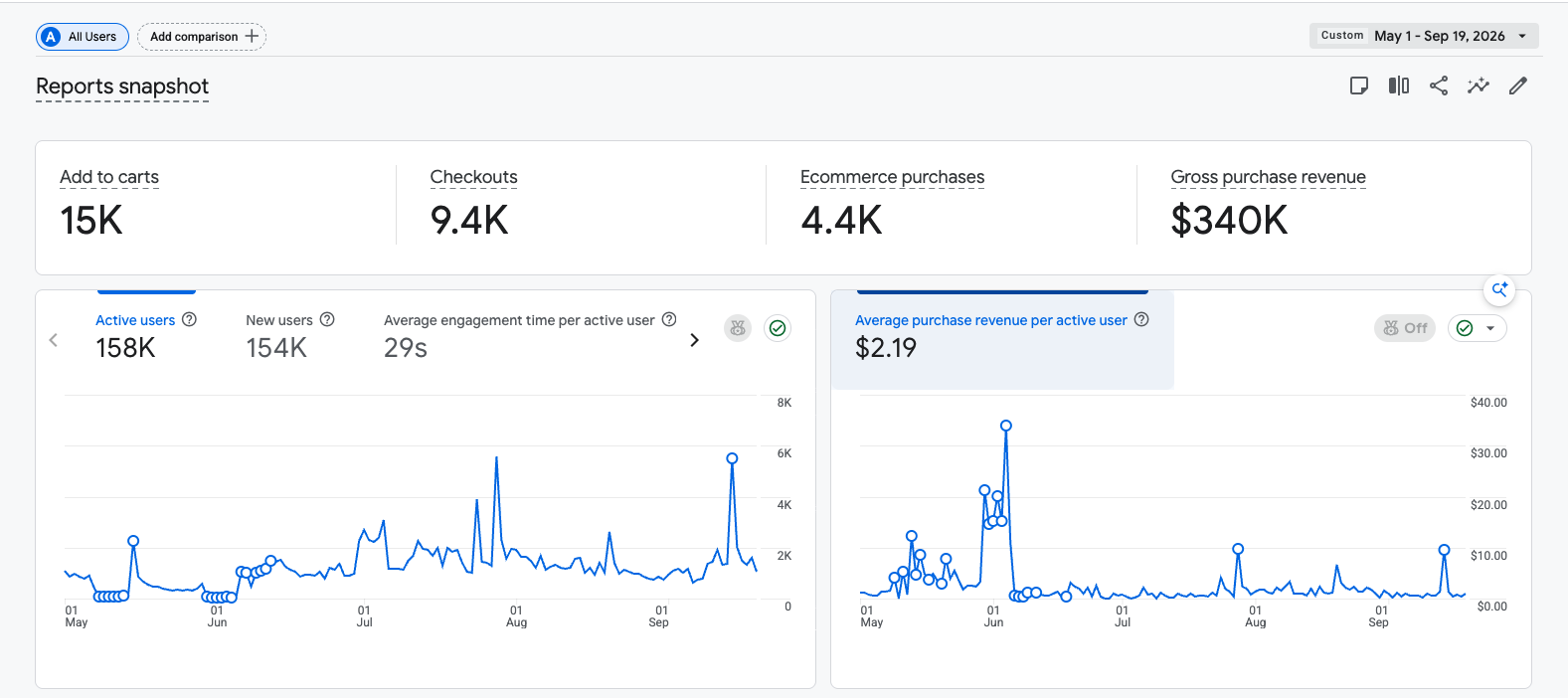
Another client's own GA4
Client GA4 · May 1 to Sep 19, 2026 · Company-reported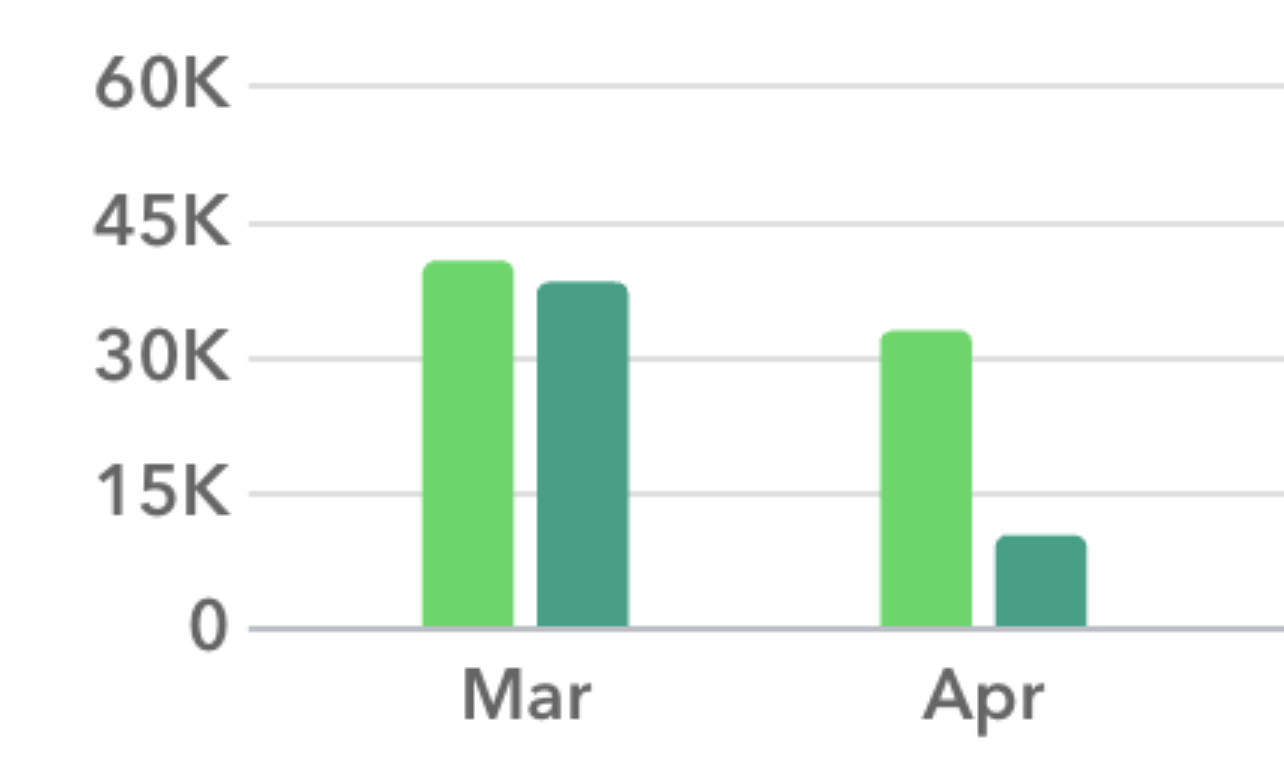
Tracked in 60 days for one client
Company-reportedOur own agency went from 25 people to 1 operator and the system.
One internal mapping · Company-reported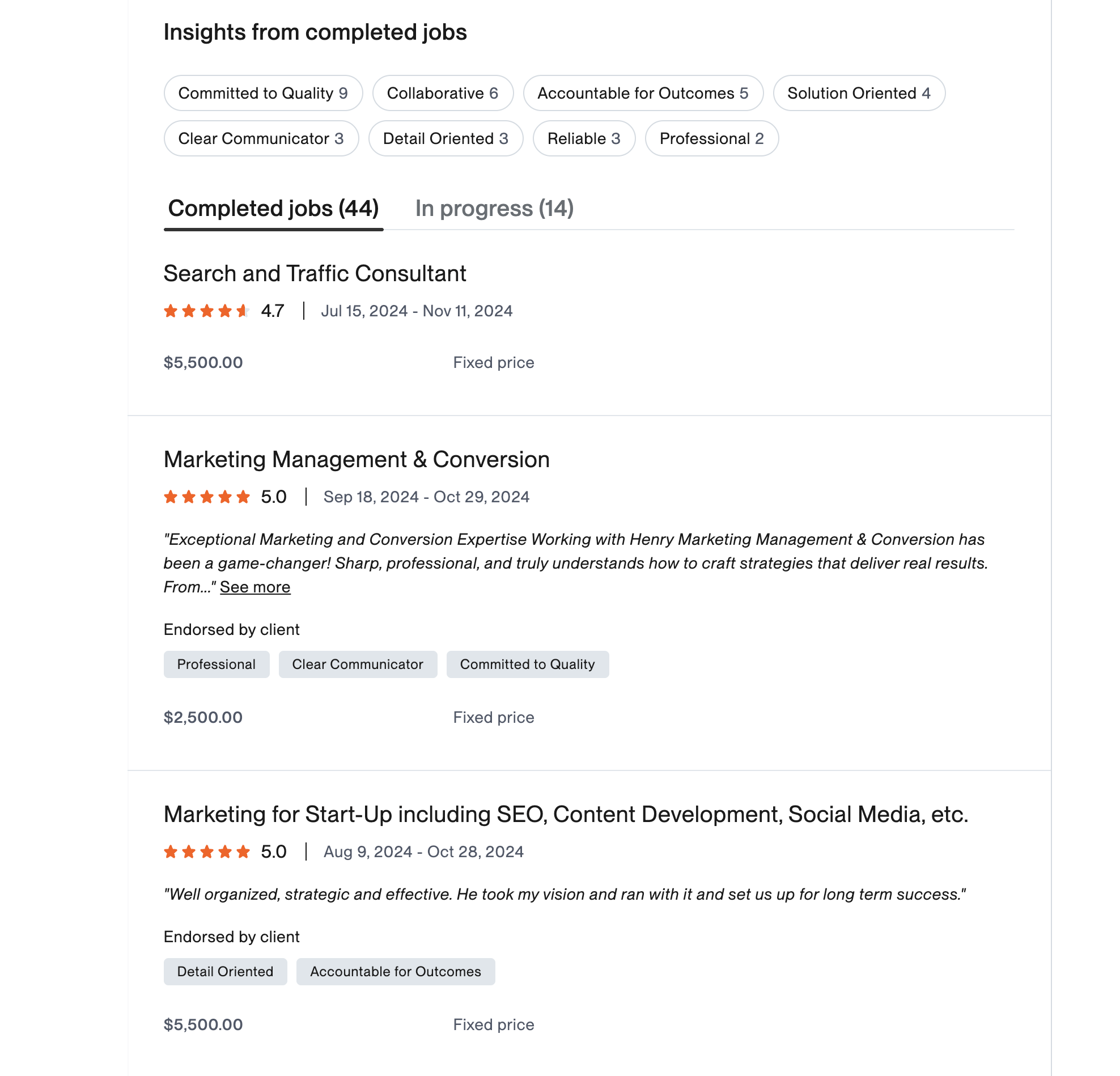
Client reviews on Upwork. Not every completed job has a written review.
Upwork profile snapshotPut Portable Delivery Intelligence around a lifecycle account you already run. Start with 1 client. Priced per account.
Land on 1 lifecycle client. Gather the flow map, segment rules, approved sends and client notes. Put them in the shared client file. Use it on live work, not a test task. Check the brief before a send changes.
Move each lifecycle account onto the same system. Each keeps its own file. Your team follows the same path from brief to build to review. Save each approved change to a flow, segment or offer. The next send starts there.
Run it with your operator or ours. Priced per account. Your operator sets the plan and checks the work. The file carries the brief. People keep judgment. The system keeps the record.
No. Your email platform stays. Portable Delivery Intelligence holds the client rules around the work.
Yes. Every output gets human review before it reaches the client.
Yes. The client context connects to the AI tools your team already uses.
Yes. Your email platform stays. The client rules sit around it.
When your main problem is getting leads. It fixes delivery capacity after the sale.
Also built for · Content agencies · SEO agencies
Run HubSpot or RevOps for agencies? See the partner program
Read how Portable Delivery Intelligence carries client context. Then see the agency capacity model.
We map where your team's time leaks. You keep the map either way.