
Voice drifts.
Each writer and AI tool reads the voice differently. The editor repeats the brief. Approved examples need to travel with the work.
Voice, topics, claims rules and the approval path travel with the work. Portable Delivery Intelligence keeps that record current, so every writer and AI tool starts from the same client context.
Trained on $17M+ in revenue
The cap is not just the amount of content. It is the client context your editor has to carry. Each account has its own voice, topics and rules. When those live in 1 head, more clients mean more edits for that person.
Each writer and AI tool reads the voice differently. The editor repeats the brief. Approved examples need to travel with the work.
A writer makes a claim the client will not allow. The editor gives the same note as last time. The next draft needs the rule before it starts, not after it is written.
Drafts sit until the person who knows the client signs off. Writers wait for answers. Small edits pull the lead back into work that the team could finish.
18 to 25 is the capacity target each install is scoped to. It is not a promise about content reach or sales.
Your writing tools stay. The shared client file holds the rules around the work. Writers, AI tools and editors read the same brief. Your editor spends less time repeating it.
How the client sounds. Which words they use. What an approved piece looks like. Every writer and AI tool reads the same starting brief.
What to write next. What is already covered. What stays out of scope. The topic list stays with the client, not in a writer's private notes.
What you can say with proof. What you cannot say. Which sources the client trusts. Past edits become rules the next writer can read.
Who checks facts. Who checks the draft. What needs the client before it goes live. Every output gets human review before it reaches the client.
Say a writer needs to draft a client article. The file names the topic, the voice and the claims the client allows. It also records a past angle the client said no to. The writer reads those notes before starting.
The editor checks the draft against those rules. A named person signs off. The next piece starts with the approved work and new notes, not another call to explain the account.
Company-reported. These are records of client work and an internal team mapping. They are not results from a content campaign or a promise of what your agency will earn.
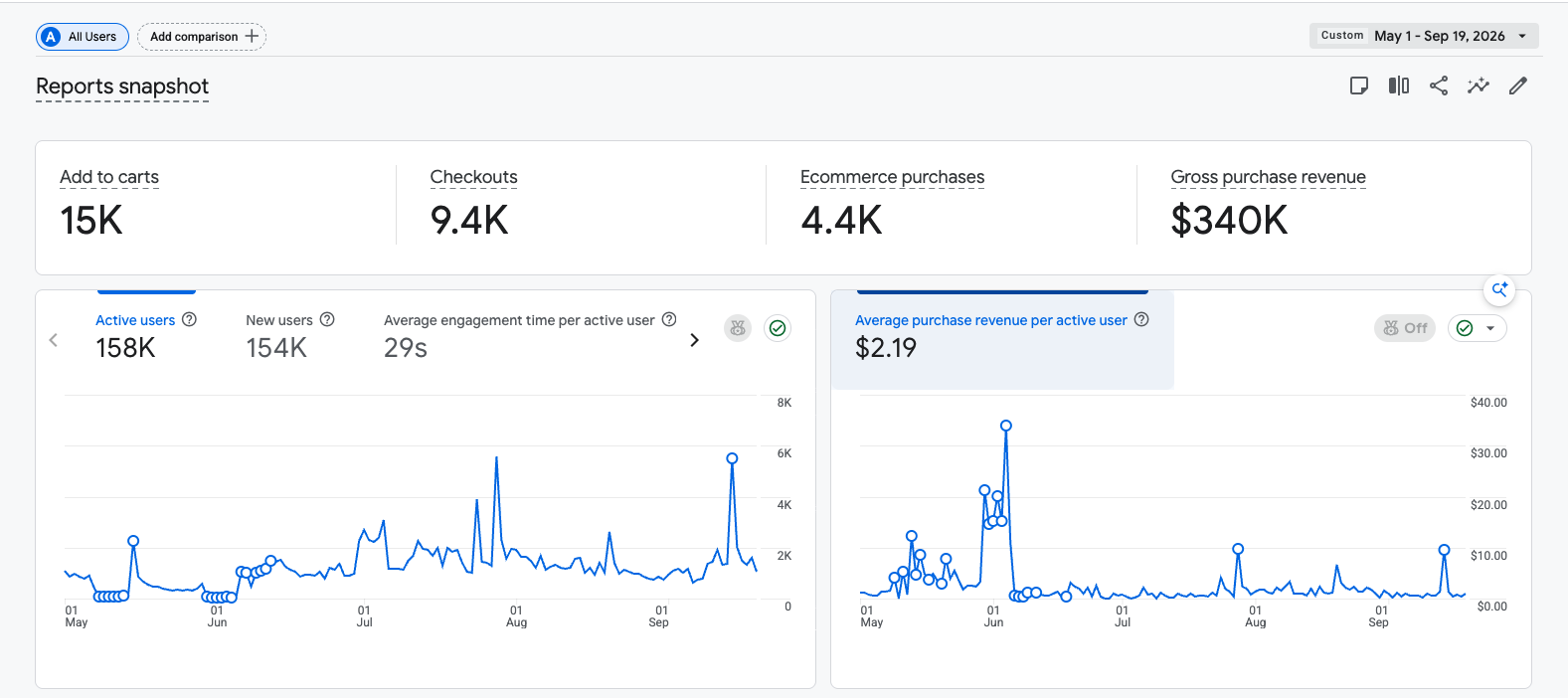
Another client's own GA4
Client GA4 · May 1 to Sep 19, 2026 · Company-reported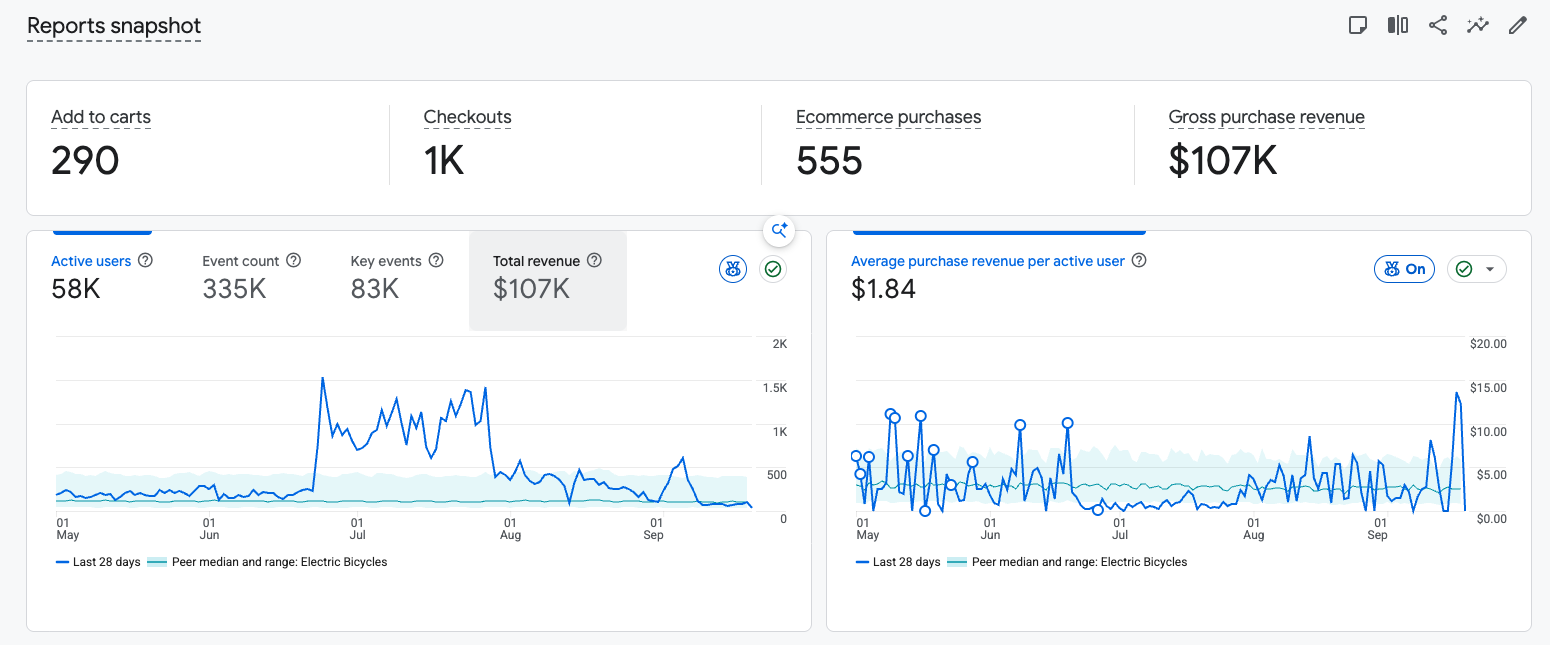
An e-commerce client's own GA4
Client GA4 · 2026 · Company-reported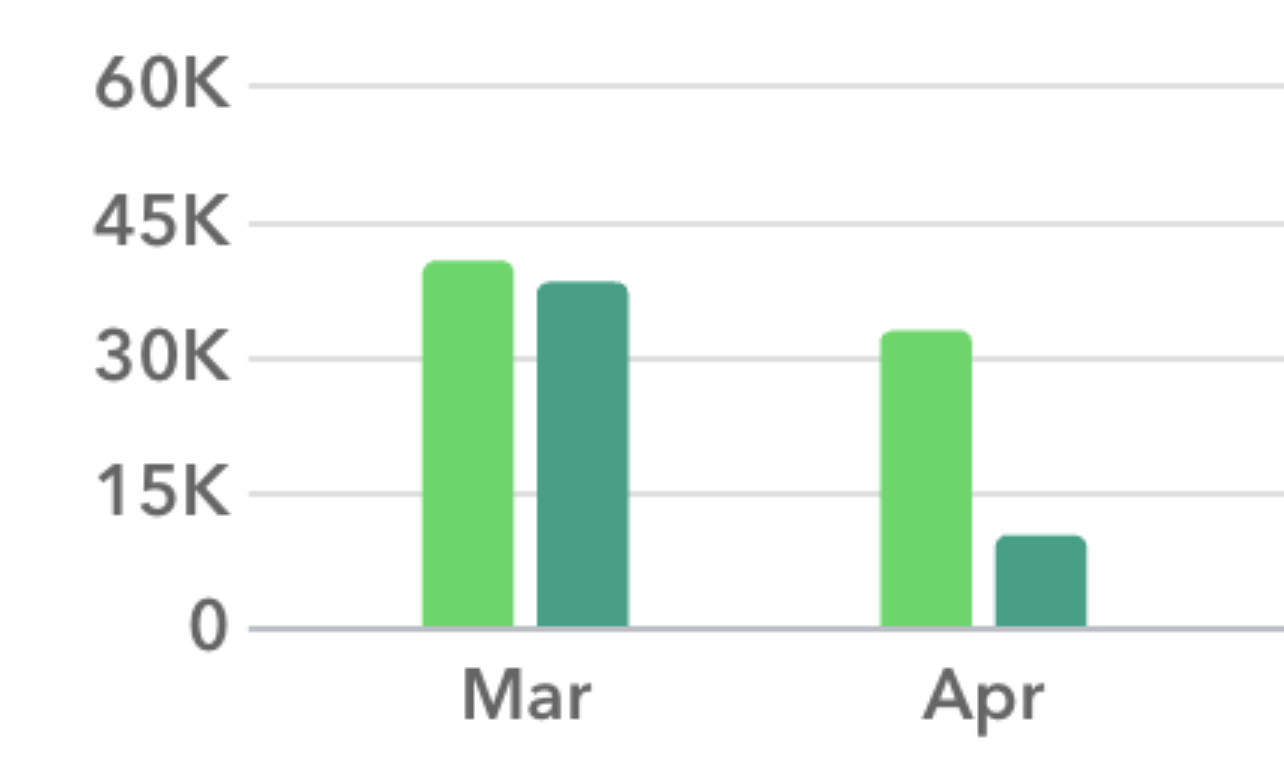
Tracked in 60 days for one client
Company-reported1 operator now ships what a 25-person content and marketing team shipped.
One internal mapping · Company-reported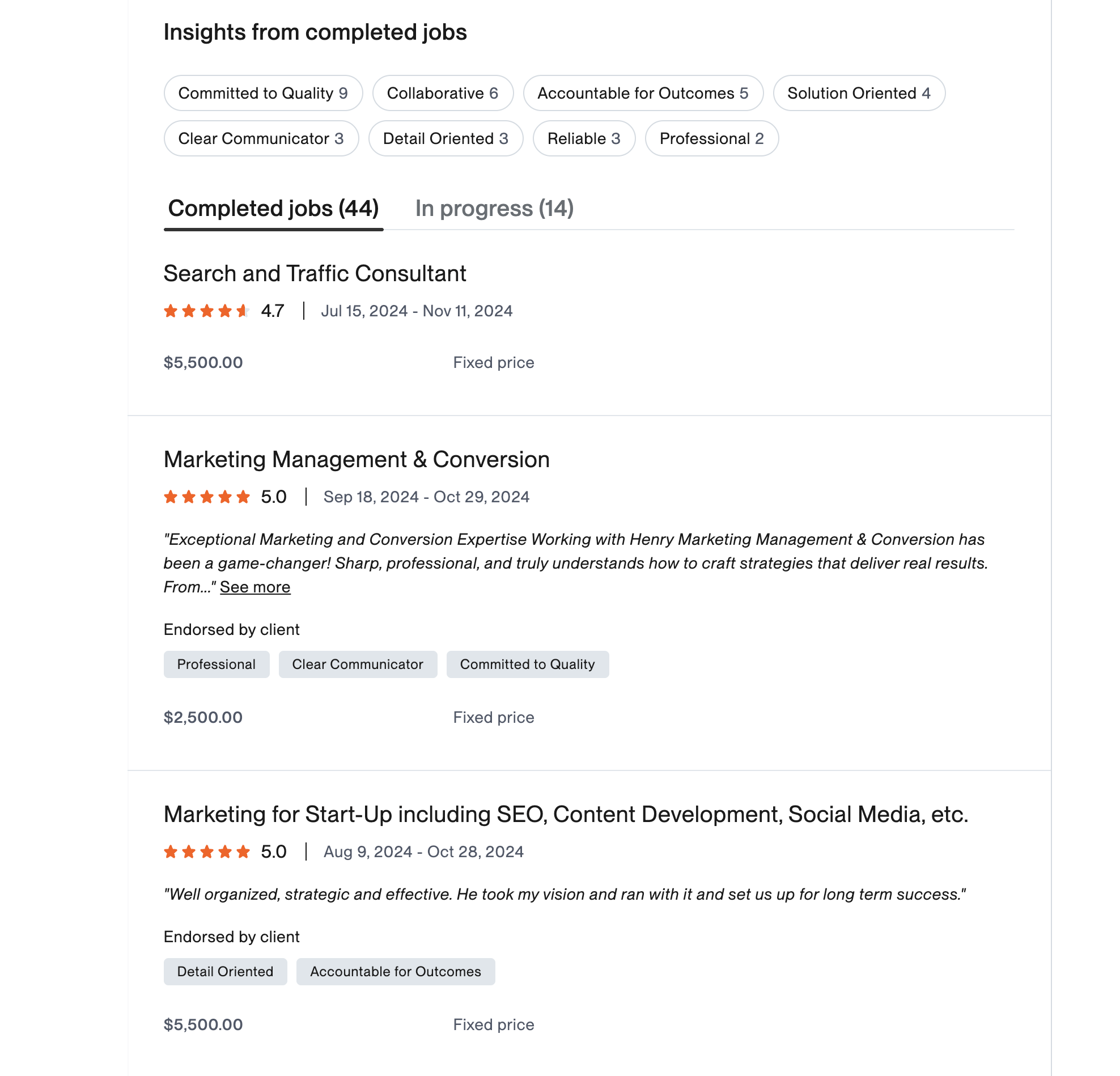
Client reviews on Upwork. Not every completed job has a written review.
Upwork profile snapshotPut Portable Delivery Intelligence around a content account you already run. Start with 1 client. Priced per account.
Land on 1 content client. Gather the topic plan, voice guide, approved drafts and client notes. Put the rules in the shared client file. Use it on live work, not a test task. Your editor checks the brief before a writer starts.
Move each content account onto the same system. Each keeps its own file. Writers follow the same path from brief to draft to review. New pieces start with the right context. Save each voice change and claim rule the client approves.
Run it with your editor or ours. Priced per account. Your editor sets the plan and checks the work. The file carries the brief. People keep judgment. The system keeps the record.
No. Your writers stay. They start from current client context instead of a blank page.
Yes. Every output gets human review before it reaches the client.
Yes. The client context connects to the AI tools your team already uses.
Put the voice rules and approved examples in 1 client file. Every writer and AI tool reads it before the draft starts.
When your main problem is getting leads. It fixes delivery capacity after the sale.
Also built for · SEO agencies · Paid media agencies
Run ops for a content agency? See the partner program
Read how Portable Delivery Intelligence carries client context. Then see the agency capacity model.
We map where your team's time leaks. You keep the map either way.