The Exit-Ready AI Checklist (Founder Edition)

Want to sell your AI company? Here's what you need to know. Exiting the AI business isn't just about having great tech - it’s about proving your company is a solid investment. Buyers are looking for scalable operations, profitability, and compliance with regulations. This guide breaks down the key steps to prepare for a successful exit:
- Assess your business: Review financial performance (ARR, CAC vs. LTV, churn rates) and leadership readiness. Ensure your team can operate without you for at least 30 days.
- Get your records in order: Align financials with GAAP, document IP ownership, and organize contracts, cap tables, and compliance records in a virtual data room.
- Showcase your tech and scalability: Highlight your unique data, algorithms, and system performance under load. Address security and regulatory concerns. Understanding how AI impacts SaaS profit margins is also crucial for long-term viability.
- Maximize valuation: Focus on metrics like retention rates, gross margins, and pricing models. Structure deals with earn-outs or equity rollovers to align interests.
- Plan for the transition: Define leadership changes, retain key employees, and prepare for integration with new owners.
Key takeaway: Early preparation ensures smoother negotiations, a higher valuation, and a better outcome for you and your team.
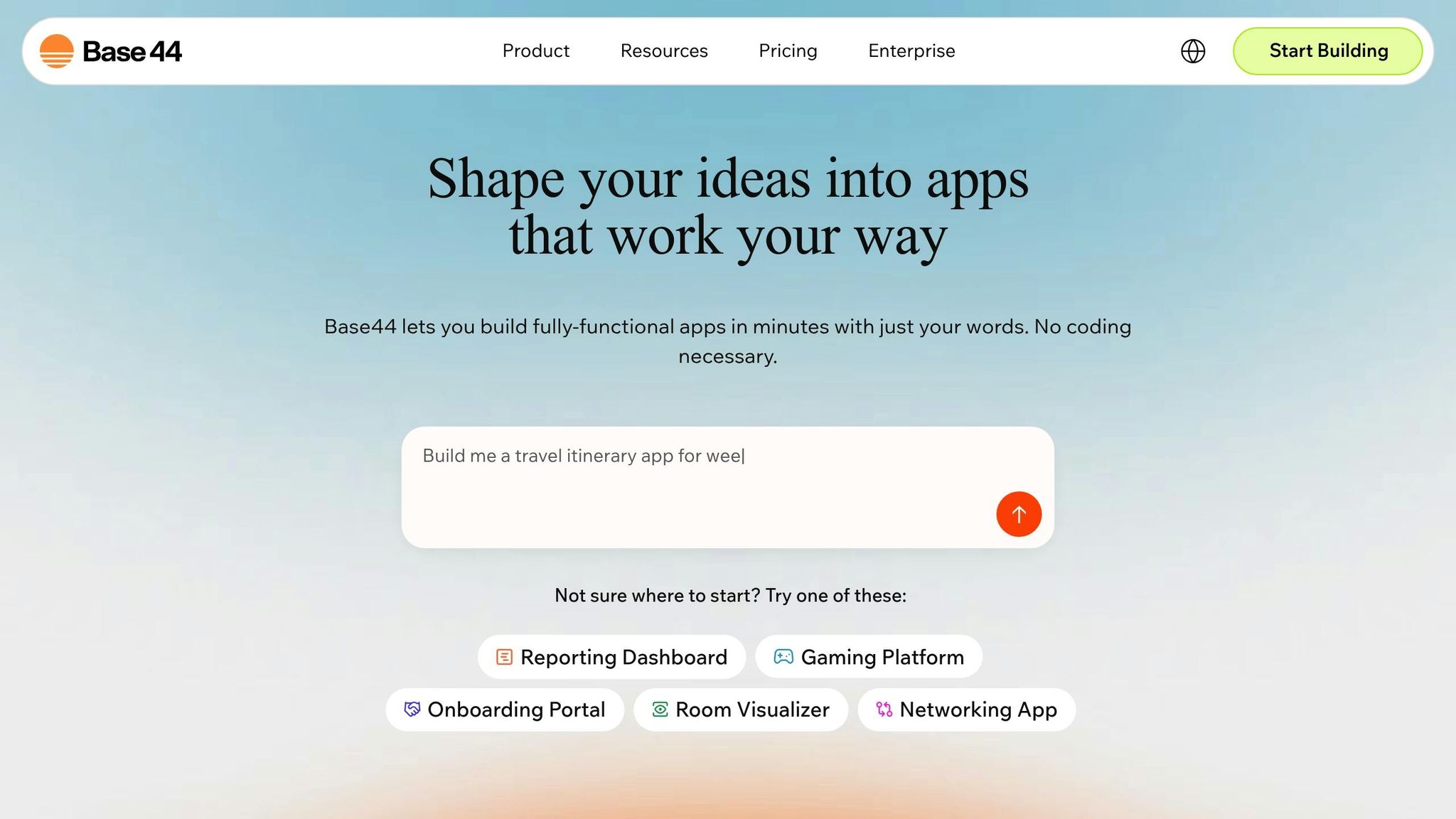
Solo founder, $80M exit, 6 months: The Base44 bootstrapped startup success story | Maor Shlomo
Step 1: Review Your Current Business Status
Before planning your exit, take a close look at where your AI company stands today. This honest evaluation will highlight what’s working, uncover areas that need improvement, and help you set realistic goals for your exit strategy. By assessing your current position, you can establish clear targets and identify the steps needed to get there. Start by analyzing financial performance and team readiness to pinpoint actionable areas for improvement.
Check Financial Performance and Operations
Focus on the financial metrics that potential buyers care about most. Key areas to examine include Annual Recurring Revenue (ARR), growth trends compared to industry standards, churn rates and retention tools, and the balance of Customer Acquisition Cost (CAC) versus Lifetime Value (LTV). These metrics demonstrate whether your business model is scalable.
Profit margins deserve attention, too. While growth might be your primary focus, buyers value a clear path to profitability. Additionally, evaluate your operational efficiency. For instance, assess how well your customer onboarding process balances manual tasks with automation. Buyers are drawn to operations that can scale without requiring significant increases in headcount.
Evaluate Founder and Team Preparedness
The readiness of your leadership team plays a critical role in a successful exit. A 2022 study revealed a gap between leadership focus and available resources for optimization [1]. This makes preparing your team even more vital.
Ask yourself some tough questions about your leadership team’s alignment. Can every executive clearly explain your company’s strategy, growth drivers, and value proposition? Are they ready to handle new ownership dynamics and manage more complex stakeholder relationships? Perhaps most importantly, can your team scale the business to two or three times its current size?
"No client ever told me, 'I wish I'd started later.'" – Certified Exit Planning Advisors (CEPAs) [2]
You may also need to consider adding key roles that will appeal to future buyers. Positions like a Chief Operating Officer to manage operational scalability, a Chief Revenue Officer to ensure predictable revenue streams, or a Chief Financial Officer with transaction experience can make your company more attractive [1].
Take a hard look at your leadership depth as well. Buyers want to see that your company has a strong pipeline of talent ready to step into critical roles. Document succession plans for key positions and identify high-potential employees who could fill those gaps. This ensures continuity even if key team members leave.
Finally, reflect on your own readiness as a founder. Are you emotionally prepared to step away or transition into a different role? Have you reduced your daily involvement enough for the business to run independently for at least 30 days? Achieving operational independence can significantly boost your company’s value [2].
Analyze Company Culture and Market Position
Your company culture can be a valuable asset - if you can show how it drives performance. Buyers increasingly view a strong culture as a factor that supports employee retention, boosts productivity, and smooths the transition after an acquisition [1].
Demonstrate how your culture contributes to operational success. Do you have evidence, either qualitative or quantitative, that highlights leadership readiness, employee engagement, or key role retention? A strong culture can help your company weather the uncertainties of an exit and integrate more seamlessly with new ownership.
It’s also important to address any cultural issues that might raise red flags for buyers. Problems like organizational silos, high turnover, lack of diversity, or an over-reliance on the founder’s personality can deter potential buyers. Tackling these challenges early can make the due diligence process far easier.
At the same time, assess your market position in the AI industry. How distinct is your technology? Do you have protected intellectual property, or is your competitive edge tied primarily to execution? Buyers are often willing to pay more for companies with strong competitive advantages, such as proprietary data, unique algorithms, or robust network effects.
Don’t forget to examine your customer concentration risk. If a significant portion of your revenue comes from one or two clients, buyers may see this as a vulnerability. Diversifying your customer base across various segments and use cases can make your business more appealing and reduce perceived risks.
| Exit-Readiness Factor | Yes | No |
|---|---|---|
| Governance & Leadership – Independent board, empowered management team, documented succession plan | ☐ | ☐ |
| Operational Dependence – Company can run 30 days without the owner | ☐ | ☐ |
Use these insights to identify gaps and take actionable steps to address them.
Step 2: Organize Finances and Operations for Due Diligence
A well-prepared due diligence process can make or break your exit strategy. Disorganized records or gaps in compliance can delay deals or lower your valuation. The key is to have everything in order - your financials, legal documents, and tech-related materials - so you can present your company in the best light. This groundwork ensures smoother negotiations and builds confidence with potential buyers.
Set Up Financial Records and Data Rooms
First things first: your financial records must align with U.S. GAAP standards. If your accounting currently operates on a cash basis, consider transitioning to accrual-based accounting, which provides a clearer picture of your company's performance. If needed, bring in a CPA familiar with SaaS and AI to help with this process.
Revenue recognition is another critical area. Make sure your policies accurately reflect all income streams, whether from subscriptions, usage-based fees, or professional services. This is especially important if you have complex pricing models or multi-year contracts - buyers will want to see these clearly documented.
Next, create a virtual data room to house all the essential documents buyers will need to review. This should include:
- Audited financial statements from the past three years
- Monthly financial reports
- Detailed customer contracts
- A complete capitalization table documenting all equity transactions
- Employment agreements, IP assignments, and board meeting minutes
Customer-related data is equally important. Organize contract details, payment history, usage metrics, and churn analysis. If you're an AI company, buyers will likely want to see how your product is being used, so prepare analytics that showcase customer engagement and the value your solution delivers.
Accuracy in your cap table is non-negotiable. Every equity grant, option exercise, and investment round must be meticulously documented. Discrepancies between what founders believe they own and what legal documents state can cause significant delays.
Verify Legal and Regulatory Compliance
Ownership of intellectual property is often a deal-breaker. Ensure your company has clear ownership of all code, algorithms, and data models powering your AI solution. This requires signed intellectual property assignment agreements from every employee, contractor, and consultant who contributed to your technology.
Open-source licenses can also be a sticking point. Document all open-source components used in your product and confirm compliance with their terms. Certain licenses, like GPL, can pose challenges for buyers looking to maintain proprietary control over your technology.
For AI companies, data privacy compliance is a growing concern. Make sure you're adhering to regulations like the California Consumer Privacy Act (CCPA), GDPR for European customers, and industry-specific rules like HIPAA if you're handling healthcare data. Have documentation ready for your data processing activities, privacy policies, and security measures.
Don't overlook employment law compliance. Verify that all employees have signed proper employment agreements, non-disclosure agreements, and enforceable non-compete clauses. Misclassifying workers as contractors instead of employees can lead to significant liabilities, so double-check classifications.
If your business operates in regulated industries like financial services or healthcare, ensure you're meeting all industry-specific regulatory requirements. Document certifications, audits, and compliance programs you've implemented to prove your adherence to these rules.
Document Technology and Growth Capacity
Once your financial and legal foundations are solid, shift focus to showcasing your technology and its potential for growth.
Start by documenting your AI tool stack, system architecture, and core algorithms. Buyers will want to understand how your AI system works, what sets it apart, and whether it can scale. Include architecture diagrams, API documentation, and descriptions of key algorithms or models.
For proprietary technology, highlight your strengths without revealing trade secrets. Prepare high-level summaries for business stakeholders and detailed technical documentation for engineering teams during due diligence.
Data assets are often as valuable as the technology itself. Detail how you collect, clean, and maintain your datasets. Explain how your data quality and scale create barriers that competitors would find difficult to overcome.
Scalability is another critical factor. Provide metrics that demonstrate how your system performs under different loads, along with current infrastructure costs and how they scale with usage.
Finally, document your development processes, including QA, code reviews, testing, and deployment. Buyers will also want to see how you ensure model accuracy over time and manage updates or retraining.
Security is a top priority, particularly for enterprise AI solutions. Include documentation on your security architecture, access controls, data encryption, and any audits or penetration tests you've conducted. Many buyers won't proceed without evidence of strong security practices.
| Due Diligence Category | Key Documents | Compliance Check |
|---|---|---|
| Financial Records | GAAP financial statements, customer contracts, cap table | Revenue recognition policies documented ☐ |
| Legal Compliance | IP assignments, employment agreements, privacy policies | All contributors signed IP agreements ☐ |
| Technology Assets | Architecture docs, API specs, security audits | Scalability metrics documented ☐ |
The sooner you organize these materials, the better. A streamlined due diligence process not only keeps buyers engaged but also increases your chances of achieving your desired valuation.
Step 3: Maximize Valuation and Structure the Deal
With your operations and records in top shape, the next step is to maximize your company’s valuation and structure a deal that ensures a smooth and profitable exit. The AI market is currently booming, with global enterprise spending on AI applications increasing eightfold over the past year, reaching nearly $5 billion. While this is still less than 1% of total software application spending, it highlights the massive growth potential in the space [3]. For founders, this presents an incredible chance to position their companies for success.
Once your financial and legal foundations are solid, your focus should shift to strategies that enhance valuation and create a deal structure that works for all parties involved.
Use SaaS Valuation Metrics
Annual Recurring Revenue (ARR) multiples remain a cornerstone for SaaS valuations, and AI companies often command higher multiples due to their potential for growth and competitive edge. While median public SaaS growth slowed to around 13% year-over-year in Q1 2025, many AI companies continue to outperform these benchmarks [4].
Key metrics to monitor include:
- Net revenue retention: Demonstrate the scalability and stickiness of your revenue model.
- Customer acquisition costs vs. lifetime value: Highlight the efficiency and profitability of your customer base.
- Gross margins: Compute costs can challenge AI businesses, but the recent drop in the cost of delivering large language models has significantly improved margins [3].
- Pricing models: A consumption-based pricing approach can justify higher valuations by aligning revenue with customer usage patterns [3].
Structure Deals That Work for Everyone
Crafting deal terms that align interests between you and potential buyers is essential. Here are a few strategies to consider:
- Use earn-outs tied to specific revenue or product milestones to bridge valuation gaps.
- Offer an equity rollover to retain a stake in the company’s future while accessing liquidity.
- Provide retention bonuses to key team members to ensure continuity post-sale.
- Negotiate escrow arrangements to handle indemnification claims.
- Address working capital needs, recognizing that AI companies often have cash flow patterns distinct from traditional SaaS businesses.
Tackle Common Buyer Concerns
Once you’ve set valuation metrics and deal terms, anticipate and address buyer concerns to streamline negotiations. Buyers often focus on the following areas:
- Founder dependency: Show that your team can operate independently by implementing knowledge transfer processes, technical documentation, and succession plans.
- Customer concentration risk: If a small number of customers drive most of your revenue, outline your plans for diversification and emphasize the loyalty of your existing customers.
- Technical debt and scalability: Provide a clear technical roadmap and highlight necessary infrastructure investments. McKinsey studies show that integrating AI into SaaS solutions can lead to 20–30% efficiency gains and similar revenue growth boosts [5].
- Competitive positioning: Highlight your proprietary data, unique algorithms, and network effects that create strong competitive advantages. Few SaaS companies have fully commercialized AI applications as standalone products, but those that do often experience higher customer engagement and revenue [3].
- Regulatory and compliance risks: Be transparent about your approach to AI ethics, bias testing, and regulatory requirements. This builds trust with enterprise buyers.
Creating competitive tension among buyers and addressing their concerns head-on can significantly boost your valuation. A well-orchestrated sales process, complete with clear information, qualified buyers, and a carefully managed timeline, helps keep negotiations on track and multiple parties engaged.
The growing adoption of AI is also driving urgency among buyers. In fact, 46% of companies now report large-scale productivity gains from AI, up from 33% just a year ago [3]. This momentum underscores the importance of positioning your business effectively in today’s fast-evolving AI landscape.
Step 4: Plan for Life After the Exit
Successfully navigating an exit isn’t just about closing the deal - it’s about ensuring a smooth transition for leadership, employees, and the business as a whole. Savvy founders start preparing for this well before the ink dries.
Plan Leadership and Management Changes
First, decide whether you’ll remain involved in the business or step away entirely. If you’re staying, define your new role clearly - whether it’s focusing on product development, nurturing customer relationships, or building strategic partnerships. These responsibilities should be outlined in the purchase agreement to avoid confusion.
If you’re leaving, create a detailed handover plan. This should cover the transfer of critical responsibilities, key relationships, and any institutional knowledge to your successor. The goal is to ensure continuity and set the new leadership up for success.
Once leadership transitions are mapped out, the next priority is keeping your team intact.
Keep Key Employees on Board
Retaining your core team is essential for maintaining stability and profitability. Start by engaging key employees early with transparent retention packages. These could include signing bonuses, equity options, or guaranteed roles under the new ownership. Early conversations are crucial - they help employees see how the acquisition could open doors for their personal and professional growth.
Make sure to communicate openly about the process to prevent misinformation and build trust. Highlight new career opportunities and expanded roles to present the acquisition as a positive step forward. Research backs this up: 94% of employees are more likely to stay with a company that invests in their career development [6].
Once your team feels secure, it’s time to prepare for the next phase - integrating with the new owners.
Prepare for Integration with New Owners
Seamless integration hinges on clear communication and a commitment to employee development. As new ownership brings changes to workflows, plan ahead for post-exit training to address skill gaps. By 2025, it’s projected that humans and machines will share equal workloads [6], so upskilling your team will be critical.
Work closely with the incoming leadership to identify training opportunities and communicate these plans to your employees. A transparent, forward-thinking approach builds trust and helps your team adapt to the new environment. This not only ensures a smoother transition but also lays the groundwork for long-term stability and success.
Conclusion: Main Points for Exit-Ready AI Companies
Preparing for a successful exit comes down to focusing on three key priorities:
- Define your exit objectives: Establish your timeline, desired outcome, and the role you envision for yourself after the exit. This clarity from the start ensures a more streamlined and focused process [7].
- Get a professional valuation: A well-documented valuation not only helps you set a fair price but also builds trust and transparency with potential buyers [7][8].
- Choose the right exit strategy and metrics: Whether it’s a sale, merger, or liquidation, select the option that aligns with your company’s strengths and the current market landscape [7].
FAQs
What financial metrics are most important to buyers when evaluating an AI company for acquisition?
Buyers often zero in on specific financial metrics to gauge how well your business is performing and its potential for future growth. These key metrics include revenue growth, profit margins, EBITDA (Earnings Before Interest, Taxes, Depreciation, and Amortization), customer acquisition cost (CAC), customer lifetime value (CLV), gross margin, and revenue multiples.
Beyond the numbers, buyers also place a premium on factors like proprietary technology, scalability, and a clear path to profitability. Excelling in these areas can make your business more attractive to investors or potential acquirers, boosting its overall valuation.
How can founders prepare their leadership team for a smooth transition during an exit?
Getting your leadership team ready is a crucial step in ensuring a smooth and successful exit. Start by aligning your management team with the company’s long-term vision. Make sure everyone has clearly defined roles, responsibilities, and measurable goals. This not only strengthens the team but also signals to potential buyers that the company is stable and well-organized.
Encourage your leadership team to make independent decisions and establish a clear handover plan. This shows that the business can thrive without the founder’s direct involvement, which helps minimize transition risks and increases buyer confidence. A capable and prepared leadership team ensures continuity and can significantly enhance the company’s valuation during the exit process.
What should AI companies do to address regulatory and compliance issues before selling?
Before putting their AI systems on the market, companies need to perform a thorough compliance audit to confirm that every aspect aligns with both federal and state regulations. Any gaps should be identified and resolved by putting in place strong risk management processes and governance frameworks, like those outlined in NIST standards.
Equally important is maintaining clear and transparent documentation for all AI systems. Businesses should also ensure human oversight is integrated into critical processes and keep up-to-date with changing laws. These actions not only help build trust with potential buyers but also reduce regulatory risks during the sales process.